Feeling tired all the time, even after a good night's sleep?
Persistent tiredness can affect your concentration, motivation, mood and everyday life. Whether you're struggling with low energy, feeling unusually exhausted or finding it harder to get through the day, understanding potential underlying causes is an important first step.
Fatigue can have many causes, including iron deficiency, anaemia, nutritional deficiencies, thyroid disorders and problems with blood glucose regulation.
The
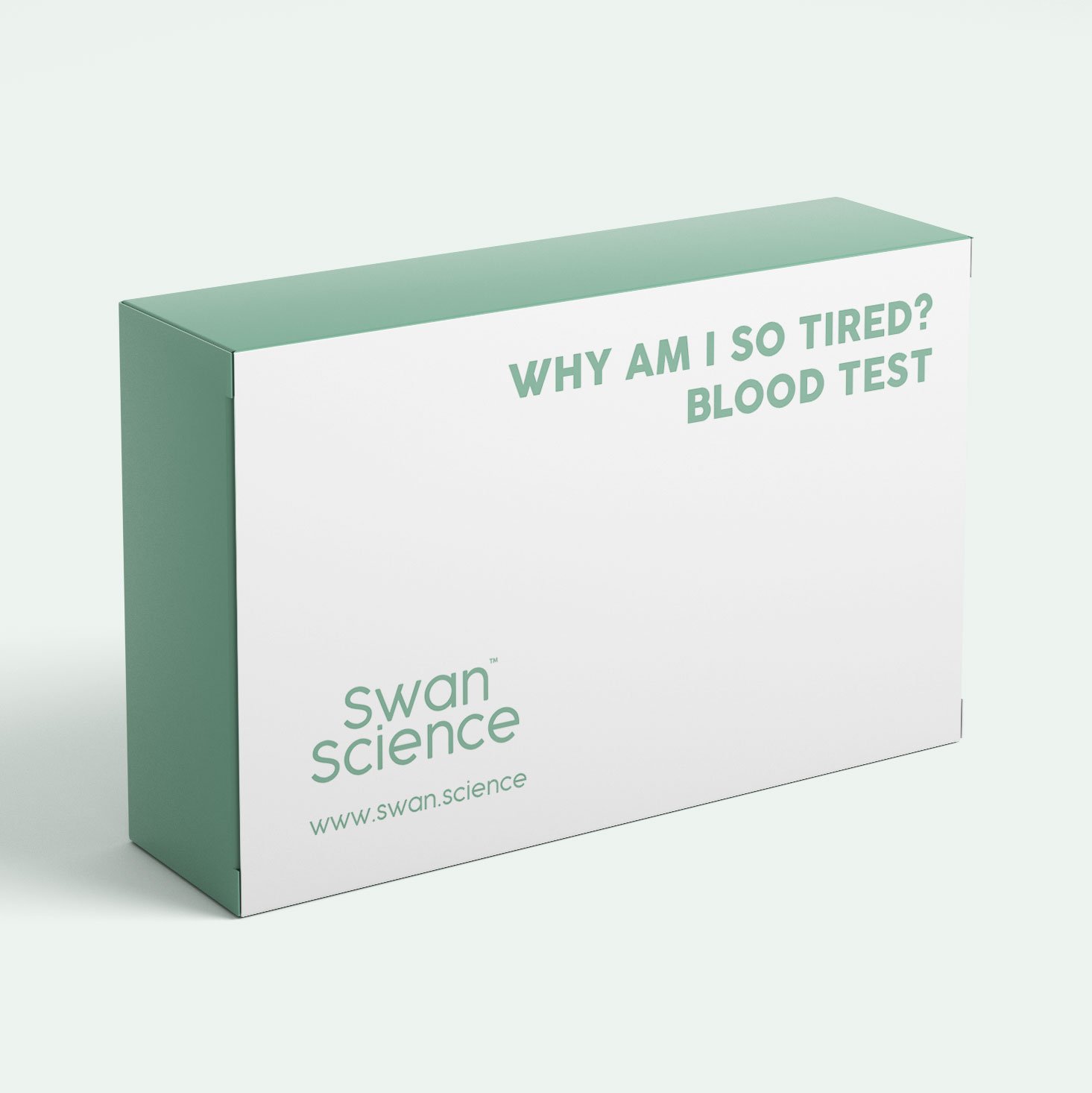
Why Am I So Tired? Blood Test from Swan Science provides a comprehensive assessment of key blood biomarkers associated with these conditions, helping you identify abnormalities that may warrant further investigation.
Using the
Randox Tired All The Time laboratory panel, this clinic-based blood test examines multiple areas of your health to provide a clearer picture of factors that may be contributing to tiredness.
What does the test check?
1. Anaemia & Iron Status
Iron is essential for producing haemoglobin, which carries oxygen around the body. Low iron stores or anaemia can contribute to tiredness, weakness and reduced exercise tolerance.
The assessment includes:
- Full Blood Count (FBC)
- Haemoglobin and red blood cell measurements
- Ferritin
- Serum iron
- Transferrin
- Total Iron Binding Capacity (TIBC)
- Transferrin saturation
These measurements help assess iron stores, oxygen-carrying capacity and possible anaemia.
2. Vitamin B12, Folate & Vitamin D
Certain nutritional deficiencies can contribute to fatigue and other symptoms.
Vitamin B12: Important for normal red blood cell production and nervous system function. Deficiency can cause tiredness, neurological symptoms and anaemia.
Folate (Vitamin B9): Required for DNA synthesis and healthy red blood cell formation. Low levels can contribute to anaemia.
Vitamin D: Supports normal bone and muscle function. Deficiency may be associated with muscle weakness and other symptoms.
This test measures all three to help identify deficiencies that may require attention.
3. Thyroid Function
Your thyroid produces hormones that regulate many metabolic processes. An underactive thyroid can cause tiredness, difficulty concentrating, feeling cold and changes in weight.
The panel includes:
- Thyroid Stimulating Hormone (TSH)
- Free T4
- Free T3
- Thyroid antibodies
These measurements help assess thyroid function and may identify findings requiring further medical assessment.
4. Blood Sugar & Metabolic Health
Changes in blood glucose regulation can affect health and may sometimes contribute to symptoms such as tiredness.
The panel includes:
- HbA1c
- Glucose
- Insulin
- C-peptide
Together, these measurements provide information about blood glucose regulation and insulin production.
5. Kidney Function & Essential Minerals
Your kidneys help regulate fluid balance and remove waste products from the blood. Significant kidney dysfunction can contribute to fatigue.
Measurements include:
- Creatinine and estimated glomerular filtration rate (eGFR)
- Cystatin C
- Sodium and potassium
- Calcium and magnesium
- Other selected kidney and mineral markers
These provide useful information about kidney function and electrolyte balance.
6. Inflammation & General Health
The panel also includes
C-reactive protein (CRP), a non-specific marker of inflammation.
An elevated CRP result may indicate inflammation or infection but cannot independently determine its cause.
Who is this test suitable for?
This blood test may be useful for adults who:
- Experience persistent or unexplained tiredness.
- Feel unusually exhausted despite adequate sleep.
- Have low energy or reduced exercise tolerance.
- Are concerned about iron, vitamin B12 or folate deficiency.
- Want to investigate possible thyroid-related or metabolic contributors to fatigue.
- Have previously experienced nutritional deficiencies and have been advised to monitor relevant markers.
Important: Persistent, worsening or unexplained fatigue should be assessed by a GP or another appropriate healthcare professional. Blood testing is only one part of investigating fatigue, and not everyone requires all the measurements included in this panel.
How does the test work?
Step 1: Order your test
Purchase your Why Am I So Tired? Blood Test through Swan Science.
Step 2: Arrange your blood collection
We will help you arrange a venous blood sample at a participating clinic. Your sample will be collected by a trained healthcare professional.
Step 3: Laboratory analysis
Your sample is processed by Randox's laboratory.
Laboratory processing is typically around 48 hours from receipt, subject to the confirmed service arrangements. This excludes appointment availability, transport and any additional testing.
Step 4: Receive your results
Your laboratory report will provide your biomarker results and applicable laboratory reference ranges.
Results outside the reference ranges may require discussion with your GP or another appropriate healthcare professional.
Why choose Swan Science?
At Swan Science, we believe better health decisions begin with reliable information.
Our approach combines established laboratory testing with clear guidance about what your results can and cannot tell you.
- Comprehensive fatigue-focused testing: Includes iron status, blood count, key vitamins, thyroid function and metabolic markers.
- Professional blood collection: Venous sampling at participating clinics.
- Established laboratory analysis: Testing processed through Randox.
- Clear results: Understand which measurements are within or outside laboratory reference ranges.
- Support for next steps: Information to help you identify when medical follow-up may be appropriate.
Understand your health. Know what to do next.
Frequently Asked Questions
Can this test tell me why I'm always tired?
It can identify certain blood abnormalities associated with fatigue, including anaemia, nutritional deficiencies, thyroid dysfunction and abnormal glucose regulation.
However, fatigue has many possible causes. Normal blood results do not rule out conditions such as sleep disorders, medication effects, mental health conditions or other medical problems.
Does the test check iron and vitamin B12?
Yes. It includes iron studies, ferritin, vitamin B12 and folate, alongside a full blood count.
Is this different from the Annual Health MOT?
Yes. This test concentrates on blood-related factors potentially contributing to fatigue, including vitamin B12 and folate.
The Annual Health MOT provides a broader assessment, including additional cardiovascular biomarkers. There is substantial overlap between the two panels, so customers generally do not need both at the same time.
Is this a home blood test?
No. This test requires a venous blood sample collected by a trained professional at a participating clinic.
How quickly will I receive my results?
The laboratory processing time is typically approximately 48 hours after sample receipt, subject to confirmation. The overall time depends on collection, transport and laboratory processing.
What happens if my results are abnormal?
Your report will identify measurements outside the applicable laboratory reference ranges. Depending on the finding, further testing or clinical assessment may be recommended.
Swan Science does not diagnose medical conditions or replace assessment by your GP.
Important Medical Information
This blood test is intended to provide information about selected biomarkers associated with health and possible causes of fatigue.
It is not a standalone diagnostic assessment and cannot identify or exclude every cause of tiredness.
Reference ranges are not absolute boundaries between health and disease. Results must be interpreted alongside symptoms, medical history, medications and other clinical information.
If you have persistent or worsening fatigue, consult your GP. Seek urgent medical assistance if tiredness is accompanied by severe breathlessness, chest pain, fainting or other serious symptoms.
Swan Science | Understand your health. Know what to do next.